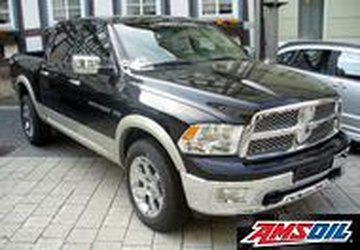
Engine Lubrication Maintenance for the 1981 Dodge Trucks W250 5.2L
Maintaining a vehicle of this era requires a proactive approach to fluid management and mechanical inspection. For owners of the 1981 Dodge Trucks W250 equipped with the 5.2L engine, consistent attention to lubrication systems is a fundamental aspect of long-term engine health. Because these vehicles were designed for utility, they often experience varying operating conditions that can influence how lubricants behave over time.
Monitoring Fluid Integrity and Condition
A primary component of routine service involves the regular observation of engine oil condition. Rather than relying solely on a calendar, monitoring the physical state of the lubricant can provide insight into the engine's current needs. When checking the oil level, it is also an opportunity to inspect the fluid's appearance.
If the oil appears excessively dark or contains visible particulate matter, it may indicate that the lubricant has reached the end of its effective service life or that the filtration system requires attention. Furthermore, any unusual odor or a change in the texture of the oil warrants investigation. While many factors can influence fluid appearance, consistent monitoring helps establish what is normal for your specific engine, making it easier to identify deviations from the baseline.
Observing Potential Warning Signs
Identifying issues early can prevent more significant mechanical complications. For a 1981 Dodge Trucks W250, several indicators may suggest that the lubrication system or related components require closer inspection:
- Visible Seepage: Inspecting the area around the engine for signs of fluid leakage is essential. Any evidence of wetness on the engine block or surrounding components can indicate that a seal or gasket may be losing its effectiveness.
- Unusual Consumption: If you notice that the oil level is dropping more frequently than expected between service intervals, this warrants an investigation into potential consumption or external leaks.
- Changes in Engine Sound: While mechanical noises can stem from many sources, any new or persistent sounds during operation should be evaluated to ensure the engine is receiving adequate lubrication.
- Exhaust Observations: Changes in exhaust characteristics can sometimes be associated with internal engine conditions that affect how oil is managed within the system.
It is important to remember that these symptoms are not definitive diagnoses of a specific part failure; rather, they serve as signals that a professional inspection or more detailed diagnostic work may be necessary.
Managing Aging Components and Seals
As vehicles age, the materials used in gaskets and seals can undergo changes due to thermal cycling and time. For an engine from 1981, it is practical to adopt a condition-based approach to maintenance. Instead of assuming parts are failing based on age alone, focus on the actual state of the components.
Regularly inspecting accessible areas for signs of seepage or weeping can help you stay ahead of potential leaks. If your vehicle is equipped with various belts or hoses, checking them for signs of cracking, glazing, or deterioration is a prudent part of any service routine. Similarly, ensuring that electrical connections and wiring harnesses remain secure and free from corrosion helps maintain the overall reliability of the engine's support systems.
Establishing a Maintenance Baseline
For many owners of older Dodge Trucks, the complete service history may not always be readily available. In these instances, the first priority is to establish a maintenance baseline. This involves performing a thorough inspection of all fluids and major service items to determine their current condition.
Once you have documented the current state of the engine—noting any existing leaks, the condition of the belts, or the clarity of the fluids—you can begin to track changes over time. Keeping detailed records of every oil change, filter replacement, and observed repair is one of the most effective ways to manage a vintage vehicle. These records allow you to distinguish between normal aging and new developments that require immediate attention.
Prioritizing Service Tasks
Effective maintenance is about directing resources toward the areas of highest importance. When managing a 1981 Dodge Trucks W250, priorities should be dictated by the current condition of the vehicle rather than a generic schedule. If you discover an active leak or notice a significant change in how the engine operates, these issues should take precedence over routine cosmetic or secondary maintenance.
By focusing on addressing active concerns first—such as fluid loss or visible component wear—you can maintain the functional integrity of the 5.2L engine. This approach ensures that you are performing preventive maintenance where it is most effective, rather than replacing parts that are still in good working order.
Practical Advice for Buying Engine Oil for your 1981 Dodge Trucks W250 5.2L
When it is time to replenish your engine's lubricant, the most important step is to ensure the product matches the specific requirements of your application. Because different engines and operating environments require different chemical properties, you should always refer to the vehicle-specific oil viscosity and application information provided on this webpage.
As you shop for products, consider the following practical steps:
- Verify Labeling: Always check the product packaging to ensure it meets the necessary standards and matches the viscosity information listed in your application data.
- Evaluate Formulations: Depending on your engine's current condition and mileage, you may encounter various options such as conventional, synthetic blends, or full synthetic oils. Some high-mileage formulations are specifically designed with additives intended for use in aging engines, including seal-conditioning properties.
- Check Certifications: Ensure the oil carries the appropriate API certification to confirm it meets modern quality and performance standards.
By matching your purchase directly to the application-specific information displayed on this page, you can ensure that the lubricant provides the necessary protection for your 1981 Dodge Trucks W250.